
Community – How you can get involved
Citizen science and community engagement are central to advancing conservation outcomes and building lasting connections between people and aquatic ecosystems. Through partnerships with established programs and local initiatives, our Centre supports opportunities for the public, students and volunteers to actively contribute to scientific research. These programs generate valuable long-term data, enhance environmental awareness, and foster stewardship by empowering communities to play a direct role in monitoring and protecting Western Australia’s unique biodiversity.

The Centre as part of Murdoch University’s Harry Butler Institute contributes to a suite of education and outreach initiatives that connect students directly with real-world environmental science.
The Project: Wetland Science
This program provides hands-on field experiences where students work alongside scientists to assess wetland health through activities such as water quality testing, species identification and turtle tracking, while integrating Indigenous knowledge and modern monitoring technologies. This program is targeted at year 9 students but is also suitable for Year 10-12 students.
Meet the Scientist
Meet the Scientist program brings active researchers into classrooms to share current projects, methods and career pathways, allowing students to engage directly with scientists and gain insight into applied environmental research. Together, these initiatives foster scientific literacy, practical skills and a strong sense of stewardship for Western Australia’s ecosystems.
Saving our Snake-Necked Turtle (SOSNT)
The Saving Our Snake-Necked Turtle (SOSNT) program is a community-driven citizen science initiative focused on conserving the endemic southwestern snake-necked turtle in Western Australia. By training and engaging local volunteers as “Turtle Trackers,” the program empowers the community to monitor turtle activity, protect nesting females and their nests, and record sightings through digital platforms. These community-collected data provide critical insights into turtle distribution, threats such as road mortality and predation, and nesting hotspots, enabling targeted management actions. Through this collaborative approach, SOSNT not only contributes valuable scientific data but also builds public awareness and stewardship for freshwater ecosystems.
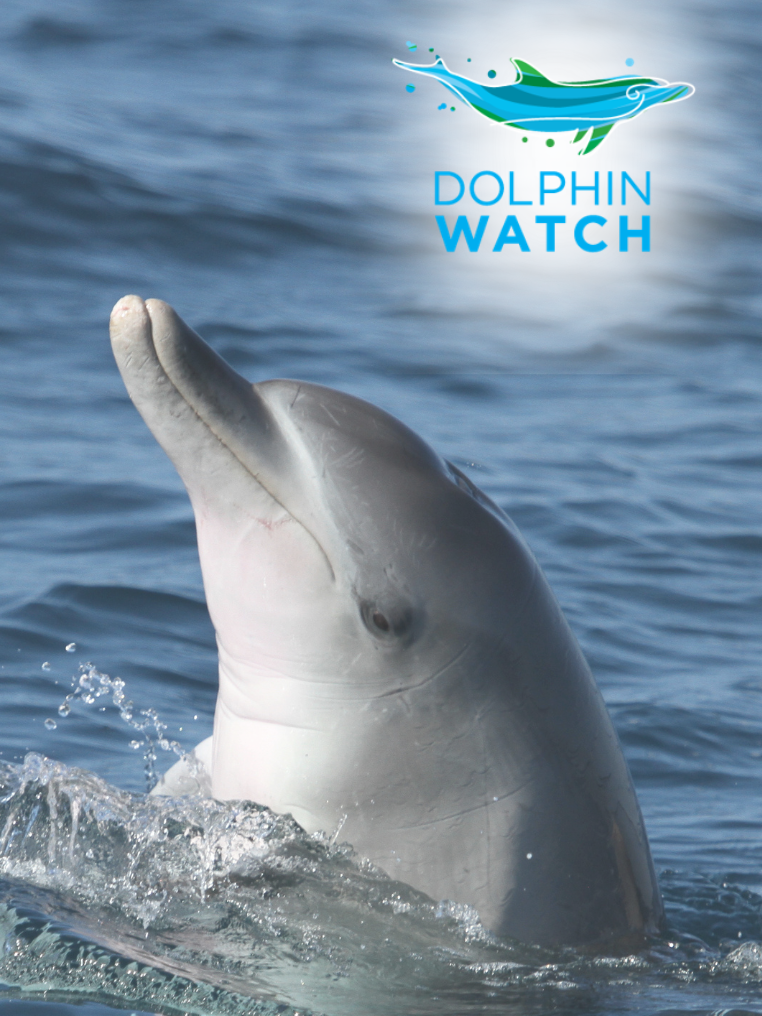
Dolphin Watch
The Dolphin Watch program strongly ties with the Centre’s research on dolphins. The program is a long-running citizen science initiative that engages the community in monitoring Indo-Pacific bottlenose dolphin populations across Perth, Mandurah and Broome. Established in 2009, the program combines observations from trained volunteers with scientific research to improve understanding of how dolphins use riverine and estuarine environments. Participants receive training in responsible wildlife observation and contribute sightings, photographs and behavioral data via digital platforms, helping to identify individual dolphins and track their movements. These community-generated data provide valuable insights into dolphin ecology, population health and human–wildlife interactions, supporting informed conservation and management of these iconic species.