Aquatic Biodiversity and Conservation
Understanding and conserving the diversity of life in aquatic ecosystems

Our research in aquatic biodiversity and conservation focuses on understanding, monitoring and protecting species and ecosystems across marine, estuarine and freshwater environments. We combine field-based surveys, long-term datasets and advanced analytical approaches to assess population status, habitat use and ecological interactions. This work supports the conservation of threatened and endemic species, providing robust scientific evidence to guide effective management and policy decisions.
Research
Research leader
Dr Adrian Gleiss
Physiology, Ecology & Conservation Lab
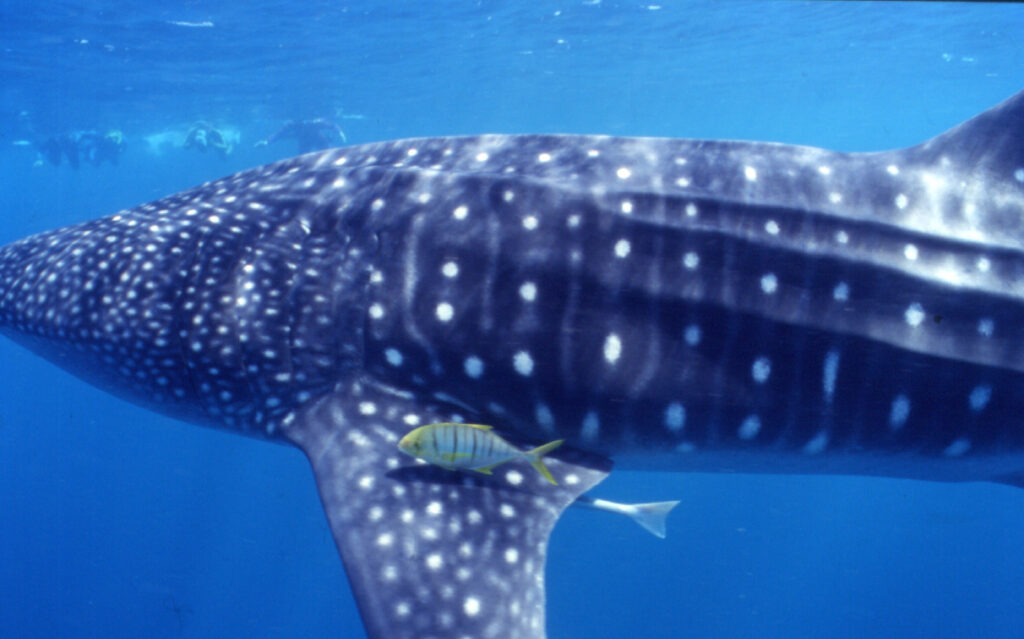
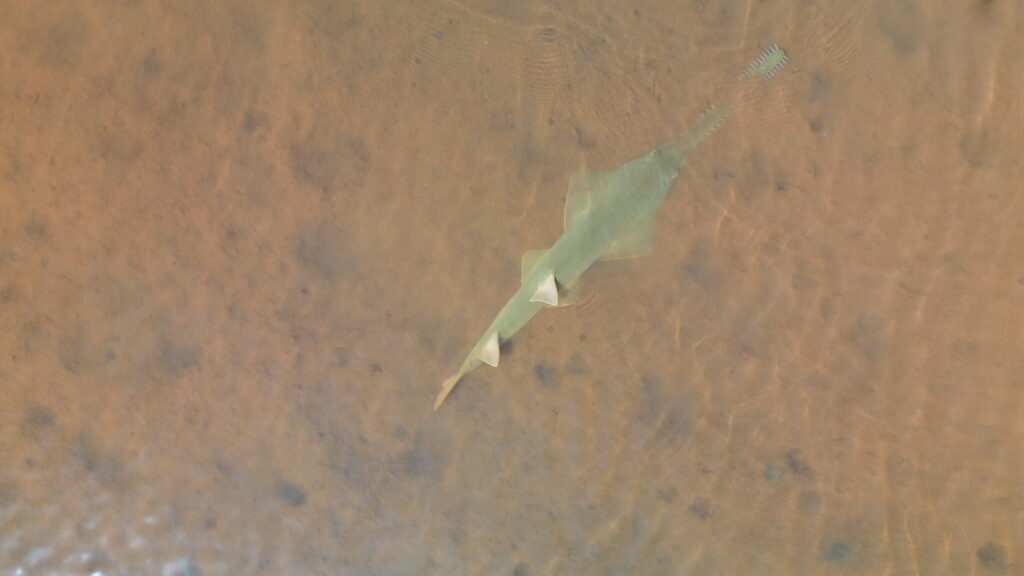
The Physiology, Ecology & Conservation (PEAC) Lab conducts interdisciplinary research focused on the ecology, physiology, and evolution of marine megafauna, including sharks, rays, turtles, and other large marine vertebrates.
The group conducts fundamental and applied research to understand how animals function and interact with their environment, and to inform conservation, management, and policy decisions.
The lab is particularly recognised for its expertise in animal-attached remote sensing (BioLogging), using advanced “smart tags” to measure behaviour and physiology in free-ranging animals.
The group’s broader capabilities include:
- BioLogging and biologging technology development
- Energetics and physiology
- Movement ecology and tracking
- Remote and field-based research
- Quantitative ecology
Our work is done in collaboration with a broad suite of international research partners, First Nations Traditional Owner groups, as well as NGOs and government agencies.
For more information visit PEAC Lab website.
Research leaders
Dr Krista Nicholson
Dr Delphine Chabanne
Marine Mammal Research Lab
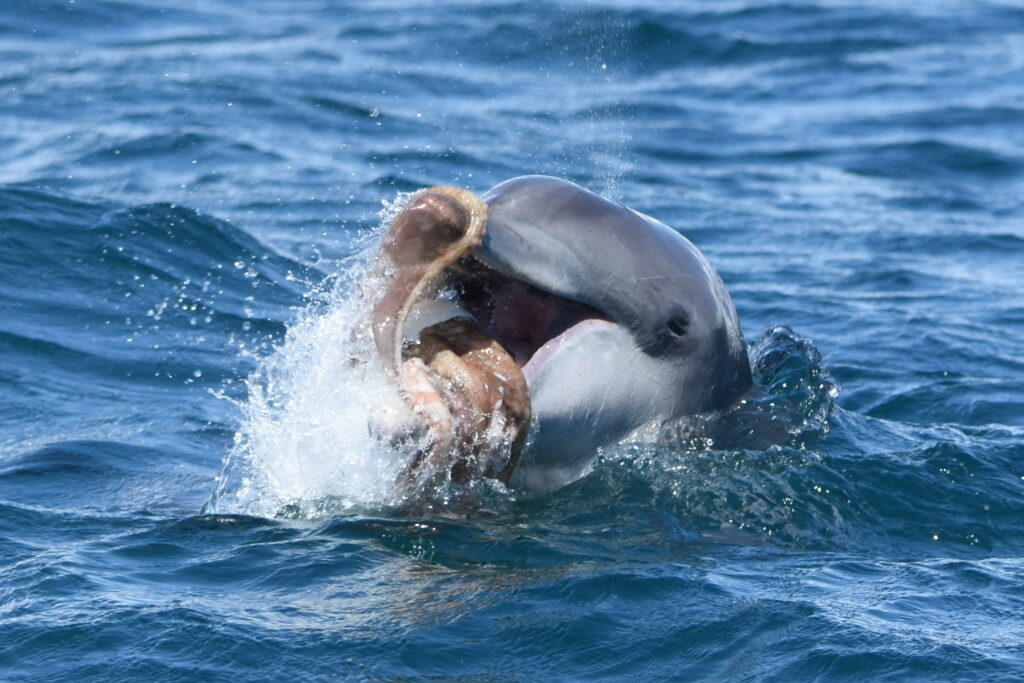
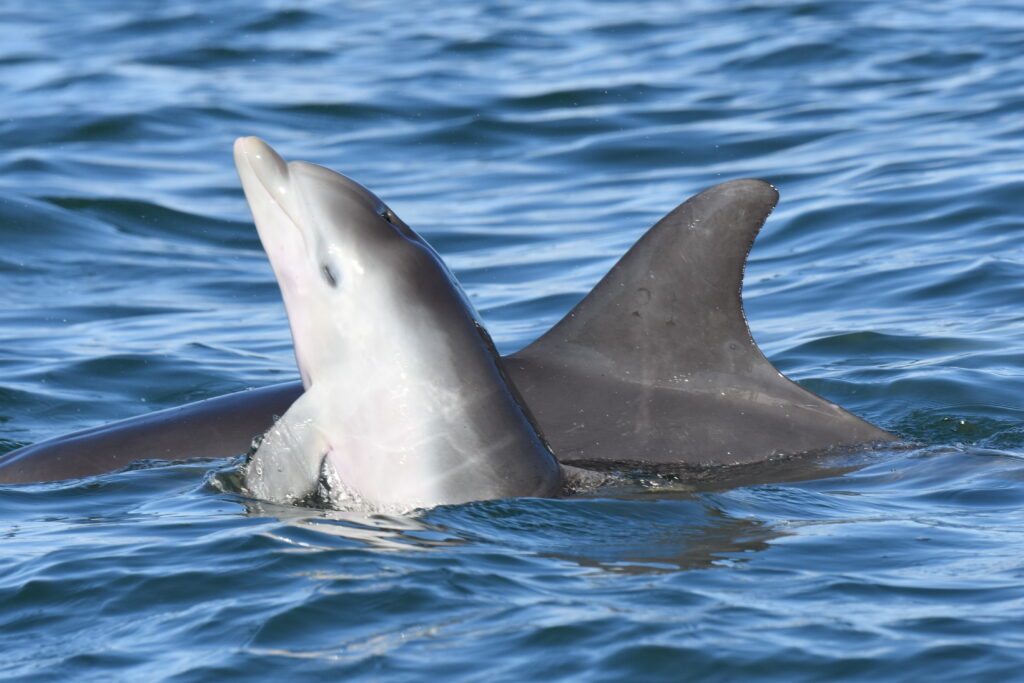
The Marine Mammal Research Lab conducts high-quality, empirical and applied research to advance the understanding and conservation of marine mammal populations.
We use photo-identification, behavioural observations, and genetic sampling to investigate population dynamics, social structure, movement ecology and behaviour. Our long-term datasets provide crucial insights into population connectivity and status, supporting evidence-based conservation management.
At the core of our research is a long-term commitment to tracking known individuals. This approach allows us to uncover fine-scale patterns in demographic and behavioural traits, both within and between populations. It also enables us to address key questions about fitness, site fidelity, and social organisation with the resolution needed to understand the complexity of marine mammal societies.
The Marine Mammal Research Lab also offers consultancy services, supported by a fleet of research vessels, qualified coxswains, and licensed drone pilots. The combination of scientific knowledge and operational capability positions us to support industry, government, and conservation partners with rigorous, field-ready solutions.